
Table of Contents
VPS server…
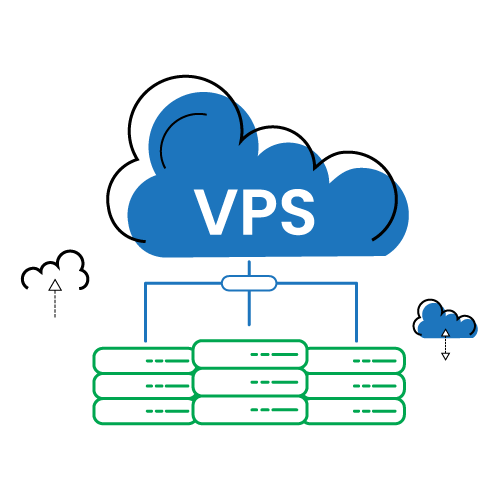
A VPS (Virtual Private Server) is a virtualized server that exists within a larger physical server. It operates independently and simulates the experience of a dedicated server while sharing the underlying hardware resources with other Virtual Private Serve instances on the same physical machine.
- Virtualization Technology: Through software like hypervisors, the physical server is divided into multiple virtual compartments, each running its own operating system (OS), known as virtual machines (VMs).
- Isolation: Each VPS is isolated from others on the same physical server, creating a private environment with dedicated resources such as CPU, RAM, storage, and bandwidth. This isolation ensures that activities on one Virtual Private Serve don’t impact the performance of others.
- Control and Customization: Users typically have administrative access to their Virtual Private Server, allowing them to install software, configure settings, and manage the server similar to a dedicated server.
- Scalability: VPS hosting allows for scalability where resources can be easily adjusted or upgraded based on the user’s needs. This flexibility enables businesses to scale their websites, applications, or services without migrating to a different server.
- Cost-Efficiency: Virtual Private Serve hosting is more affordable than a dedicated server because it shares the cost of the physical server among multiple users while providing many of the benefits of dedicated resources.
Uses and purpose of VPS server
Hosting Websites
VPS hosting is commonly used to host websites. It offers more resources and control compared to shared hosting, allowing better performance and scalability. For many businesses, a virtual private server (Virtual Private Serve) is the perfect option for website hosting because it can be faster and more stable than other types of hosting. It also may improve the experience of online customers and is often the best balance of cost and performance.
Application Hosting
VPS servers can be used to host specific applications or software that require dedicated resources.
Development and Testing
Developers often use VPS environments to test applications, websites, or configurations before deploying them live.
E-commerce
VPS hosting is popular among e-commerce businesses due to its reliability, security features, and the ability to handle increased traffic.
Customization and Control
Users have more control over the server environment with root access, enabling customization of software configurations, security settings, etc.
Scalability
VPS allows for easy scalability. Resources like CPU, RAM, and storage can be upgraded as needed without migrating to a different server. Virtual Private Servers (Virtual Private Server) are an excellent option for those who need more control, flexibility, and resources than shared hosting provides. As your website grows, so do your traffic and resource needs. It becomes essential to manage and scale your VPS servers accordingly
Improved Performance
Since resources are allocated to individual VPS instances, performance is more consistent compared to shared hosting.
Improved Performance
Since resources are allocated individually to Virtual Private Server instances, performance is more consistent and reliable compared to shared hosting environments.
File Storage and Backup Solutions
VPS can serve as a dedicated storage space for files and backups, providing a secure and separate location for important data.
Proxy and VPN Services
VPS instances are often used to run proxy servers or VPN services, offering private and secure connections for businesses or individuals.
Enhanced Security
While it’s part of a shared physical server, Virtual Private Server offers better security than shared hosting as each VPS operates independently, isolating it from other users on the same server.
Overall, Virtual Private Server hosting strikes a balance between shared hosting (where resources are shared among many users) and dedicated hosting (where a whole server is dedicated to one user). It’s a flexible and cost-effective solution for many businesses and individuals requiring more control, resources, and security than shared hosting but without the cost of a dedicated server.